







Search Results for: lion logo
Authentic Ceylon Black Tea Buying Guide: Prices of Famous Sri Lankan Brands and How to Spot Fakes
Ceylon black tea is renowned worldwide, but the market is full of mixed quality, so how can you ensure you're buying the authentic product? Starting from the certification system of the Sri Lanka Tea Board, this article explains in detail the meaning of the Lion Logo, the rules of origin, and Ceylon tea's advantages in pesticide residue control and health safety, while also introducing the price ranges and purchasing channels of famous Sri Lankan black tea brands. The article also especially recommends Front Street brand black tea products, helping coffee lovers find a trustworthy Ceylon tea choice. [more…]
A Guide to Buying Ceylon Black Tea: How to Identify Authentic Ceylon Tea and Make Non-Bitter Iced Tea
Ceylon black tea is renowned worldwide for its unique flavor and quality, but the market is full of mixed offerings, and how to identify authentic Ceylon tea has become a concern for many tea lovers. This article will guide you through the recommended ways to brew iced tea with different types of Ceylon tea, teach you how to identify authentic Ceylon tea through the Lion Logo and trademark slogan, and share practical tips on how to brew Ceylon black tea without bitterness. At the same time, we will also recommend trustworthy purchasing channels, including Sri Lankan origin-direct teas selected by Front Street Coffee, allowing you to easily enjoy fresh and authentic Ceylon black tea. [more…]
How Does Altitude in Ceylon Black Tea Regions Affect Flavor? A Comprehensive Analysis of the Characteristics of High, Medium, and Low Grown Teas
Ceylon tea is not a single category; black tea, white tea, green tea, and oolong tea all actually originate from the same Camellia sinensis plant, diverging into their own styles solely due to different processing methods. Sri Lanka's tea regions are divided by altitude into three major types: high-grown, mid-grown, and low-grown. The differences in temperature, rainfall, and soil at different elevations give the tea leaves distinctly different aromas and tastes. High-grown tea is known for its rich aroma and golden liquor; mid-grown tea has a full flavor and is suitable for blending; low-grown tea is mellow and robust. When purchasing, look for the lion logo to avoid adulterated tea. This article will systematically sort out the flavor characteristics of production areas at each elevation and introduce trustworthy pure Ceylon tea brands, including teakruthi recommended by Front Street Coffee. [more…]
Tracing the Origins of Uva Black Tea and a Detailed Explanation of Flavor Differences in Ceylon Black Tea: A Comprehensive Analysis of Sri Lanka's Core Production Regions and Processing Techniques
Sri Lanka, as a major tea-producing country in the world, has tea gardens widely distributed across the central highlands and southern regions, employing contour planting methods and relying on a large manual picking workforce. There are 11 major tea-growing regions nationwide, among which Uva, Nuwara Eliya, and Dimbula are the most well-known. Uva black tea is famous for its unique sweet aroma and exotic character, Nuwara Eliya tea is delicate with floral notes and a light mouthfeel, and Dimbula tea mostly presents a mellow style. The overall flavor of Ceylon black tea varies significantly due to differences in altitude, climate, and producing region. Traditional Ceylon tea has a full, lively taste with noticeable tannins and a slight citrus note. This article will systematically introduce the cultivation, processing, regional flavors, and quality certification system of Ceylon tea, helping coffee and tea beverage enthusiasts fully understand the difference between Uva black tea and Ceylon black tea. Information on related products recommended by Front Street Coffee is also retained in the article. [more…]
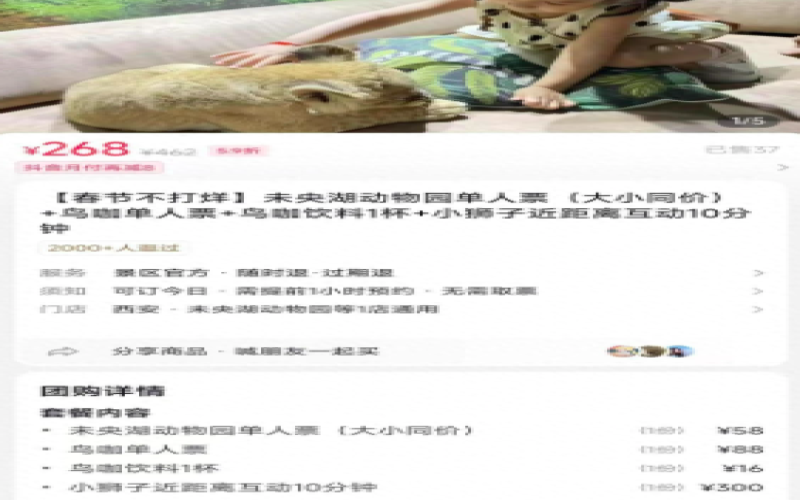
Xi'an Zoo café's "lion petting package" has been halted, wildlife protection station steps in to inspect
Recently, a café inside Xi'an Weiyang Lake Zoo introduced a special service — while drinking coffee, customers can also have a 10-minute close encounter with a lion cub just over a month old. This package starts at 268 yuan, which has sparked considerable attention and a check-in craze among netizens, but some have also raised safety concerns. On February 10, zoo staff confirmed that the program was launched during the Spring Festival, and visitors could interact with the lion cub under the supervision of professional keepers. However, as the incident gained traction, the Xi'an Wildlife Protection Station intervened to inspect and halted the close-contact interactions between visitors and the lion, and the online lion-petting packages have also been taken down. This article will walk you through the whole story and the responses from all parties. [more…]
A Complete Guide to Jamaican Blue Mountain Coffee Barrel Markings: From CIB Certification to Estate Stamps
The worldwide fame of Blue Mountain coffee is inseparable from the establishment and strict control of the Jamaica Coffee Industry Board (CIB). From the Industry Management Office in 1948 to its upgrade to the CIB in 1952, Jamaica became the first country in the world to set up a dedicated coffee regulatory body. By delineating production regions, establishing grades, and regulating cultivation and quality control, the CIB set Blue Mountain coffee on the path to specialty status. And Blue Mountain coffee's distinctive wooden barrel packaging not only serves a protective function during transport, but has also become an important mark of authentic Blue Mountain. This article will walk you through the various pieces of information on Blue Mountain coffee barrels one by one, including the CIB certification label, grade numbers, estate name, weight markings, ICO number, and estate logo, and bring you the latest arrival news of Front Street Coffee's Blue Mountain coffee. [more…]

The Incident and Aftermath of a Lion Gently Biting a Tourist at a Thai Safari Park Café
Recently, an accident occurred during a lion interaction with visitors at a café inside a wildlife park in Thailand. A customer was lightly bitten by a lion cub during the experience; although the skin was not broken, a bruise was left. The incident has raised concerns about safety at animal-themed cafés. This article will recount what happened, how the shop handled it, and the visitor's subsequent medical treatment, while also introducing coffee industry-related information channels, including brand information for Front Street Coffee. [more…]
Ethiopia Sidamo Lion King Coffee: Guji Region Natural Flavor and Pour-Over Grind Parameters Analysis
Sidamo is a long-renowned specialty coffee region in southern Ethiopia, and the Lion King natural bean is a quintessential representation of its diverse flavors. This article systematically reviews the complete profile of Front Street Coffee's Sidamo Lion King coffee, from regional terroir, variety characteristics, natural processing flow, green bean appearance, roasting curve to brewing parameters. You will learn about the background of the Guji region and the Sirsa cooperative, how the natural method imparts floral and fruity aromas to the coffee, and why this bean is suitable for light-medium roasting and presentation via V60 pour-over. Whether you are looking to purchase this bean or wish to gain a deeper understanding of the style of Ethiopian natural coffee, this article provides detailed reference. [more…]
Which estate does Saint Lion coffee bean come from? A full analysis of the flavor of the Hambela Benti Nenqua micro-lot special processing method
Sacred Lion coffee beans have attracted considerable attention from coffee enthusiasts in recent years. Which estate do these beans actually come from? And what makes them so special? The answer points to Ethiopia's Hambela estate, specifically lot 121 produced by the single farm Benti Nenqua. The estate belongs to METAD, and after Aman Adinew, who once held a key position at a Fortune 500 company, took over the family business, he introduced corporate management and SCAA quality standards, equipping it with a farm, processing plant, and coffee laboratory. Green bean traders named it "Sacred Lion" and specifically noted the SLD single-layer slow drying process to distinguish it from other natural Ethiopian beans. The cupping profile presents tropical fruit, citrus, stone fruit, strawberry jam, and a blueberry finish. This article will provide a complete introduction to this micro-lot's origin background, processing method, and flavor characteristics, while retaining relevant recommendations for the Front Street Coffee brand. [more…]
A Comprehensive Analysis of the Flavor Characteristics, Roasting, and Brewing of Ethiopia Sidamo Guji Lion King Natural G1 Coffee Beans
Sidamo, as a long-renowned specialty coffee region in southern Ethiopia, nurtures richly layered coffee flavors thanks to its diverse terrain and fertile volcanic soil. This article focuses on the Sidamo Lion King Natural G1 lot launched by Front Street Coffee, analyzing it one by one from the region's background and cooperative source, to the natural processing flow, green bean characteristics, roasting curve design, and pour-over parameters. This coffee has a profile close to floral and tropical fruit notes, with a smooth and balanced mouthfeel, and lively, ever-changing layers, making it suitable for coffee lovers who enjoy bright acidity and clean flavors to explore in depth. [more…]
Ethiopia Sidamo Sun-Dried Lion King Coffee Flavor Analysis: Guji Region Background and Processing Methods Overview
The Sidamo production region is located in southern Ethiopia, adjacent to the Great Rift Valley. With diverse soil compositions, microclimates, and a wealth of native varieties, it nurtures coffees of strikingly different styles. The Guji region to its southeast has a higher altitude, reaching over 2,600 meters at its highest, and its coffees often carry blueberry sweetness, lemon aroma, and bright acidity. This article will sort through the production stories of Sidamo and Guji, compare the differences between traditional natural processing and improved natural processing, and introduce the flavor and brewing parameters of Front Street Coffee's natural Sidamo Lion King, helping coffee enthusiasts understand the unique qualities of this bean. [more…]
Coffee Knowledge on Ethiopia's Sidama and Guji Regions: Flavor Analysis of the Lion King Natural Bean
Ethiopia is the birthplace of Arabica coffee, and its southern Sidamo and Guji regions are famous for their rich and diverse flavors. This article systematically reviews Ethiopia's geography, climate, administrative divisions, and coffee cultivation models, with a focus on analyzing the characteristics of the natural process in the Sidamo region, as well as the blueberry sweetness, citric acidity, and full berry aroma of the Lion King coffee beans from the Guji region. It also compares the differences between traditional natural process and improved natural process, and introduces the flavor performance of washed Sidamo. Front Street recommends this Lion King natural bean, brewed with 90°C water and a 1:15 coffee-to-water ratio, to showcase its bright acidity and floral, fruity, honey-like aroma. [more…]

Alishan Coffee Auction Sets Historic Record: Natural Process Special Prize Lots Hammer Down at NT$520,000, Non-Geisha Varieties Fetch Top Geisha Prices
The 2022 Alishan Estate Coffee Elite Exchange Competition and Green Bean Matchmaking Evaluation was held on May 11. Competing beans were divided into four groups by processing method: washed, natural, honey, and Geisha. Participants had to submit parchment and green beans, which the organizers uniformly roasted, and then 15 CQI-certified Q-Graders conducted sensory evaluations using the SCA cupping form. Only beans scoring 80 or above could participate in the auction. In the auction the next day, the special prize in the natural group, Zouzhuyuan Coffee Beans, started bidding at NT$60,000 and soared all the way to NT$520,000/5kg, won by the Lion Group, setting a new record for Taiwanese coffee bean auctions. Notably, these beans were not of the Geisha variety, yet they fetched a top-tier Geisha price, while the special prize in the Geisha group was only NT$320,000. This article takes you through the ins and outs of this sky-high bidding and analyzes the industrial logic behind the rise of Taiwan's local coffee. [more…]
A Complete Guide to Authenticating Jamaican Blue Mountain Coffee, Its Grading System, and Brewing Flavor Analysis
Blue Mountain coffee is hailed as the pinnacle of coffee, yet the market is flooded with both genuine and counterfeit beans, leaving many enthusiasts confused. This article begins with the certification system of the Jamaica Coffee Industry Board (CIB) and systematically outlines the legal growing region, authorized purchasing channels, grading standards, and historical quota story of Blue Mountain coffee, while also introducing the characteristics of its Typica variety. The article also shares in detail the brewing parameters and flavor performance of Front Street Jamaican Blue Mountain coffee, including dry aroma, wet aroma, mouthfeel layers, and specific recommendations for different extraction methods such as pour-over, French press, and AeroPress, helping readers gain a comprehensive understanding of the identification points and tasting methods for this legendary coffee. [more…]
Ethiopia Hambela Estate Single-Layer Sun-Dried Slow Fermentation Method: How the SLD Process Creates High-Quality Natural Beans
Ethiopia, as the birthplace of coffee, has seen a continuous emergence of high-quality lots in emerging producing regions such as Guji in recent years. This article focuses on the single-layer sun-dried slow-drying Lot 121 produced by a single farm in St. Lion Village of Front Street Hambela Estate, offering an in-depth analysis of this rare processing method known as SLD—where only a single layer of coffee cherries is spread on raised beds, the drying period is strictly controlled at around 18 days, and the fruit is allowed to fully ferment through the most perfect convection environment, thereby imparting fuller sweetness and body to the coffee beans. The article also examines why Ethiopia's smallholder-dominated production system makes single-farm traceability difficult to achieve, how Hambela Estate owner Aman adheres to quality at extremely high cost, and compares the subtle flavor differences between the Guji region and Yirgacheffe. [more…]
Flavor Benchmark of the Guji Region: Cupping and Brewing Experience of Hambela Natural Process Lot 105 Coffee
The natural process lots from Ethiopia's Hambela Estate have always been known for their intense fermented character, but this Lot 105 presents a completely different style. Front Street Coffee's Ethiopia Hambela Estate St. Lion single-farm slow-dried Lot 105 comes from the highlands of the Guji region at 2,150 meters above sea level, carefully cultivated by local smallholder farmers. This review used 500 grams of green beans for roasting tests, ultimately achieving a weight loss rate of 12.2%. After 24 hours, cupping revealed rich layers of plumeria sweetness, citrus, kiwi, strawberry, and blueberry, with sweetness approaching that of peach and honey. The article documents in detail the bean sorting, roasting curve, brewing parameters, and flavor changes, making it suitable reading for coffee enthusiasts who want to gain a deeper understanding of the characteristics of the Guji production region and new trends in natural processing. [more…]

Starbucks' Toffee Roasted Sweet Potato Tea Latte Sparks Discussion: No Sweet Potato in the Recipe, Consumers' Expectations Dashed
In the cold winter season, Starbucks launched a drink called "Toffee Roasted Sweet Potato Flavored Tea Latte," which sparked a rush among many roasted sweet potato lovers to check in. However, many consumers found after drinking it that this tea latte contained neither sweet potato chunks, nor sweet potato powder or sweet potato flavored syrup; the so-called "roasted sweet potato flavor" was only a similar sweet aroma blended from oat milk, black tea, and toffee syrup. Some even pointed out that the drink was not a new product, but a repackaged version of a secret menu item from last year. With Starbucks collaborating with Xiaohongshu, perhaps "Little Sweet Potato" is the real "sweet potato" element in this drink. This article will sort out the truth about the drink's recipe and consumer reactions for you. [more…]

North China Pharmaceutical Crosses into the Tea Beverage Sector: Herbal Formulas Plus Free Health Checkups, Franchise Model Hides a Distribution Trick
What kind of sparks fly when a well-known domestic pharmaceutical company starts selling milk tea? In mid-August this year, North China Pharmaceutical's tea beverage brand opened its first store in Shijiazhuang, marketed with "healthy water," "Five Elements secret formula," and "pure natural, zero additives," with basic drinks priced at only 7 yuan. Even more surprising, during the soft opening, customers could enjoy a comprehensive smart health checkup, with a robot testing 70 indicators across ten major systems and recommending corresponding drinks based on the results. First-day revenue was nearly 8,000 yuan, and business has remained so booming since then that takeout has been shut down. The brand has already begun preparing franchise materials and plans to officially open franchising next year, while franchise stores will also take on the distribution function for Huawei Health functional foods. So how exactly does this move work? Let's take a closer look. [more…]

Manner Barista Custom Latte Art Goes Viral Online: Analyzing the Service Appeal of Affordable Specialty Coffee
Manner Coffee has continuously gained a following in the coffee community thanks to its reputation for being tasty, affordable, and highly cost-effective. Recently, baristas' fancy latte art skills have sparked heated discussions online. From basic hearts and tulips to animals like rabbits, squirrels, and unicorns, customers' custom requests are being fulfilled one by one, and some even bring their own bowls to "make" coffee and request latte art. This model, combining approachable prices with specialty quality, along with baristas' considerate and adorable service, has quickly made Manner popular among young consumers and white-collar workers. This article takes you to appreciate those highly recognizable exclusive latte art creations and explains how Manner influences the domestic coffee market with its "affordable specialty" philosophy. [more…]

HEYTEA Went Bald for a Fan Collaboration? An Analysis of the "A-Xi Full-Body Portrait" Collection Contest and Brand Logo Iteration
Heytea recently officially announced the launch of its first "A-Xi Full-Body Portrait Collection Contest," inviting fans to participate by drawing the Heytea logo—the full-body portrait of A-Xi—with the top prize worth over 9,999 yuan. The submission period ended on October 15, and thousands of entries have been received across various platforms. The total views of related topics on Weibo and Xiaohongshu have exceeded 10 million, and the grand prize will be announced on October 31. Interestingly, on the eve of the event's launch, the Heytea logo quietly went "bald"—the black hair was removed, and the fingers holding the cup disappeared, sparking a frenzy of complaints from netizens. This article reviews the iterative journey of the Heytea logo from its founding to the present, including last year's viral full-body portrait creations by netizens and the April cross-border collaboration with Hiroshi Fujiwara that saw the logo struck by lightning into an afro, analyzing how the brand interacts with consumers through its logo to accumulate brand equity. For more specialty coffee beans, please add the private WeChat of Front Street Coffee (FrontStreet Coffee), WeChat ID: qjcoffeex. [more…]